HUD Accessibility Requirements for Multifamily Housing: A Practical Guide for Developers
Developing housing that is accessible to everyone is essential to creating inclusive communities and improving quality of life for residents with disabilities. For multifamily properties that receive HUD funding, accessibility is not optional—it is a legal and operational requirement grounded in several federal laws and design standards.
Understanding HUD’s Role and Core Accessibility Laws
The U.S. Department of Housing and Urban Development (HUD) administers programs that support affordable, accessible, and equitable housing across the country. When HUD funds are involved, properties must comply with a set of interrelated accessibility requirements drawn from multiple federal statutes.
Key laws and standards that shape accessibility in HUDassisted multifamily housing include:
Section 504 of the Rehabilitation Act
- Prohibits disability discrimination in programs and activities receiving federal financial assistance and requires physical and programmatic accessibility.
- HUDassisted housing may comply using the Uniform Federal Accessibility Standards (UFAS) or HUDmodified 2010 ADA Standards for Accessible Design for many building features.
Fair Housing Act (FHA) design and construction requirements
- Apply to most new multifamily housing (four or more units) built for first occupancy after March 13, 1991, including publicly assisted and privately funded developments.
- Require seven basic design features to ensure that covered dwelling units and common areas are accessible or adaptable to people with disabilities.
Architectural Barriers Act (ABA) and ADA interface
- The ABA governs accessibility in certain federally funded or owned facilities, overlapping with HUD programs in some contexts.
- The ADA applies to public accommodations and state or local government services on a site (such as leasing offices or community centers), even where HUD housing requirements also apply.
Together, these frameworks create a consistent baseline of accessibility expectations for multifamily housing that benefits from HUD assistance.
Where Accessibility Applies in Multifamily Housing
In HUDassisted and FHAcovered multifamily properties, accessibility is not limited to a few designated features; it must be integrated throughout the site, buildings, and dwelling units.
Key areas include:
Site routes and building entrances
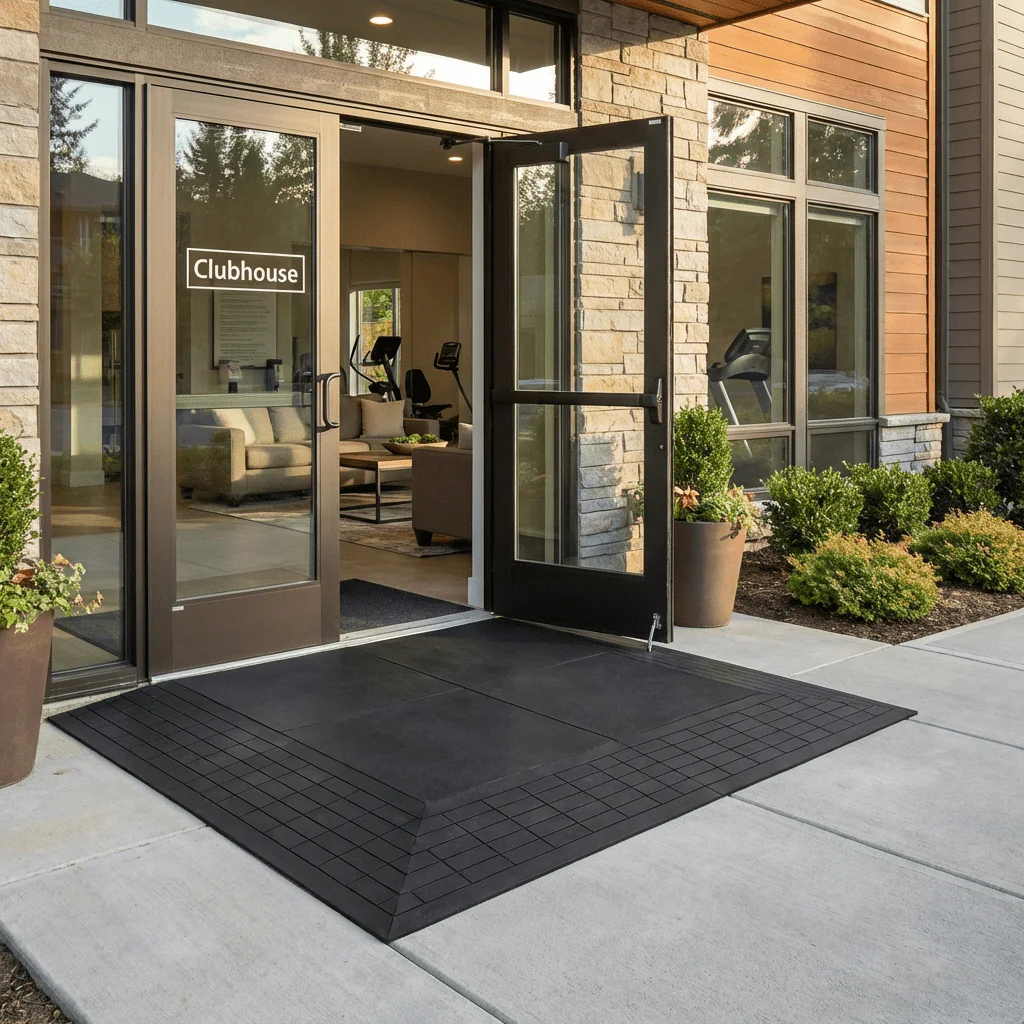
- At least one primary building entrance used by residents must be located on an accessible route linking parking, sidewalks, and common amenities.
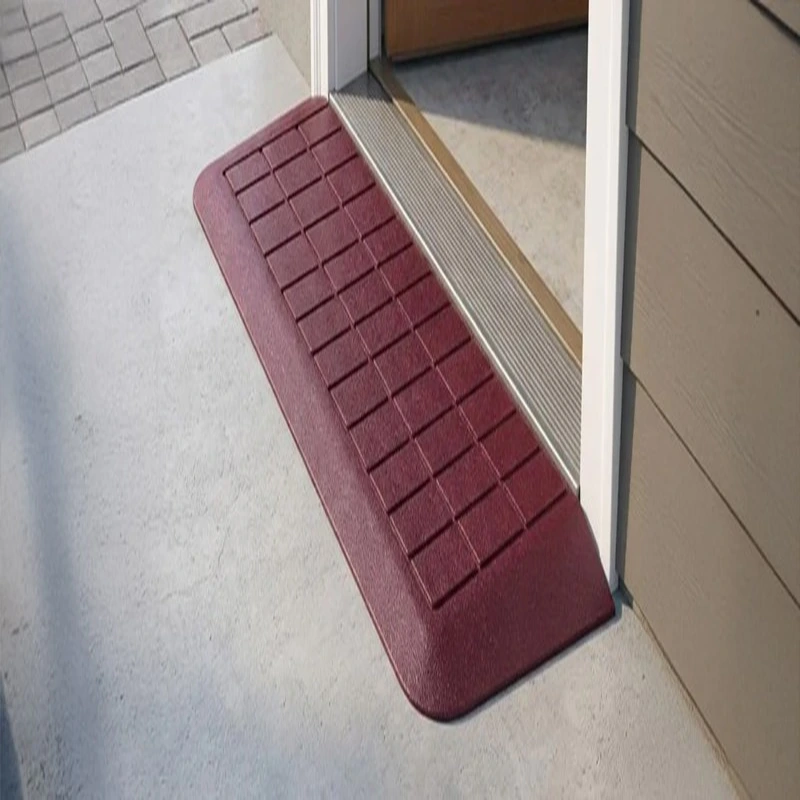
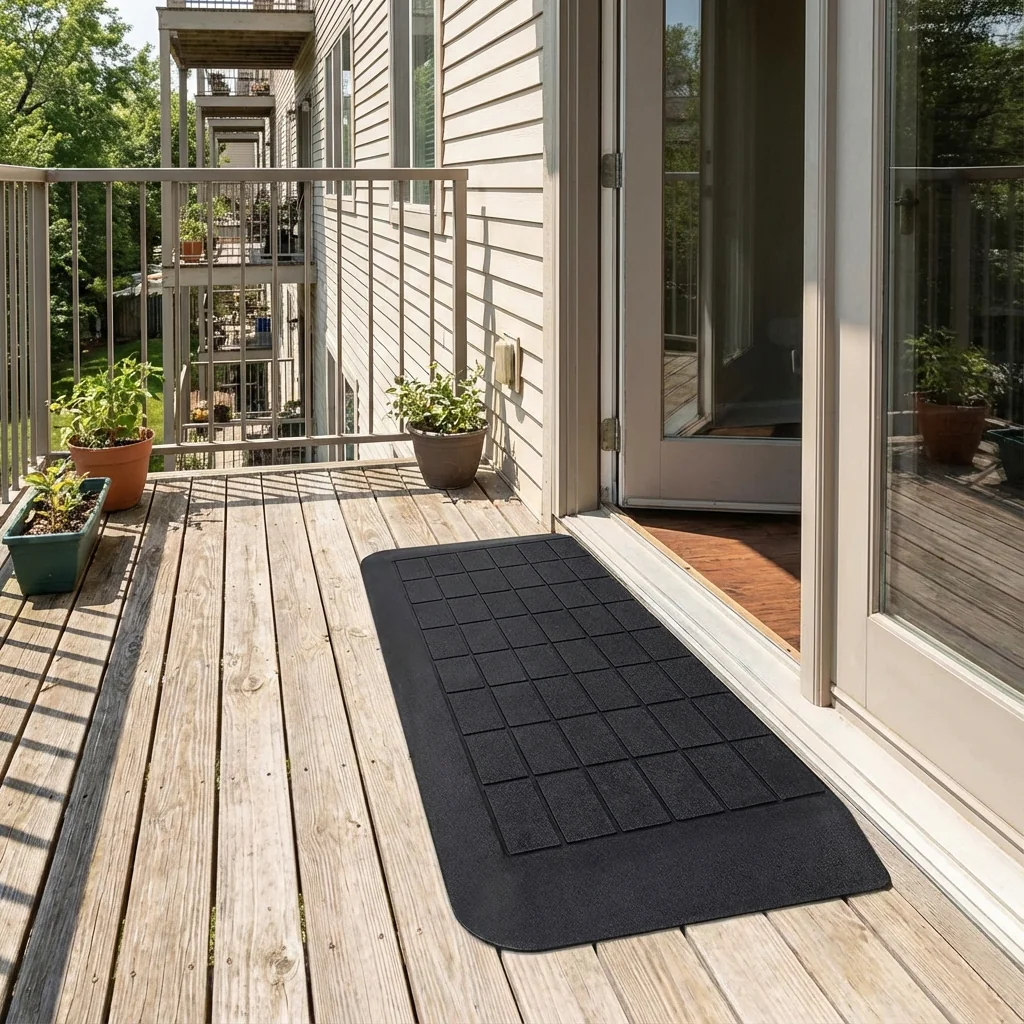
- Along that route, changes in level greater than ½ inch must be ramped or otherwise made accessible to wheelchair users.
Common areas and shared amenities
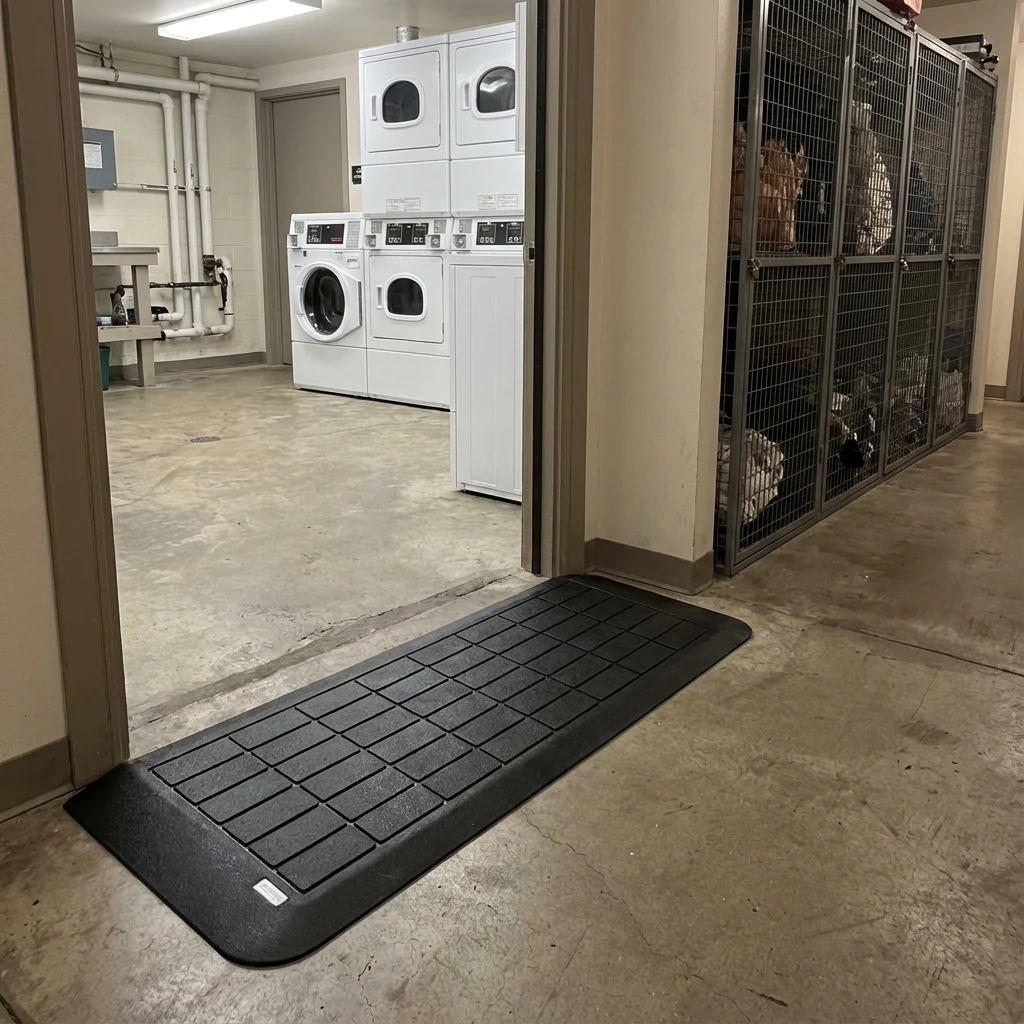
- Lobbies, mailrooms, laundry rooms, community spaces, leasing areas, and other common facilities must be accessible to residents and applicants with disabilities.
- Clear widths, maneuvering space, and accessible hardware all contribute to usable circulation and safe access.
Unit entries, thresholds, and interior transitions
- Exterior door thresholds for covered dwelling units may not exceed ¾ inch, and smaller changes in height must be beveled to reduce tripping hazards and allow wheelchair passage.
- Within units, floor transitions between rooms must be designed to limit abrupt level changes and provide smooth, slipresistant surfaces.
Kitchens, bathrooms, and controls
- FHA design requirements call for usable kitchens and bathrooms, with sufficient clear floor area for wheelchair maneuvering and reach to fixtures and appliances.
- Light switches, outlets, thermostats, and similar controls must be placed in accessible locations. This is an ADA compliance issue as vertical floor transitions inhibit disability access, and it’s obviously a safety issue due to trip hazards.
Thoughtful attention to these details during design and construction can significantly reduce the need for costly corrections or retrofits later in a project’s life cycle.
Minimum Accessible Unit Requirements in HUDAssisted Projects
Beyond general design features, HUDassisted multifamily projects must meet minimum percentages of fully accessible units under Section 504.
For new construction of multifamily rental housing with five or more units receiving HUD assistance:
- At least 5% of dwelling units (but not less than one) must be accessible to individuals with mobility disabilities.
- At least 2% of dwelling units (but not less than one) must be accessible to individuals with hearing or vision disabilities.
Additional considerations include:
- Accessible units must be distributed throughout the property, to the maximum extent feasible, and provided in a range of sizes and locations so that residents with disabilities have meaningful choice.
- In substantial rehabilitation projects, similar 5% and 2% thresholds apply, and alterations must increase accessibility to the maximum extent feasible until these levels are reached.
These numeric thresholds are federal minimums; states, local codes, or funding sources may impose higher requirements that owners and developers must also meet.
Programmatic and Operational Accessibility Obligations
Compliance is not limited to the physical built environment; HUD recipients also have ongoing obligations to ensure that programs and services are accessible.
Key operational responsibilities include:
Reasonable accommodations
- Adjusting rules, policies, practices, or services when necessary so that residents with disabilities can equally use and enjoy their housing and common spaces.
- Examples include modifying parking assignments, adjusting guest or pet policies, or altering communication practices for residents with sensory disabilities.
Structural modifications as accommodations
- In many cases, owners may be required to make and fund physical changes—such as adding ramps, widening doors, or modifying bathrooms—as reasonable accommodations for residents with disabilities.
- These obligations sit alongside baseline design requirements and typically respond to individual needs that arise over time.
Maintaining and managing accessible units
- Accessible units must be kept in good working order and not altered in ways that remove required accessibility features.
- Allocation and leasing practices should ensure that accessible units are available to residents who need them and not unnecessarily occupied by those who do not.
Taking a proactive approach to policies, staff training, and communication can help owners integrate accessibility into everyday operations rather than treating it as a onetime compliance exercise.
Practical Planning Tips for Developers and Owners
Early planning for accessibility significantly reduces risk, cost, and disruption over the life of a HUDassisted multifamily project.
Practical steps include:
- Engage design professionals experienced with FHA, Section 504, UFAS, and ADAbased standards during schematic design and before valueengineering decisions are made.
- Document how accessible routes, thresholds, ramps, and transitions will be handled at all building entrances, corridors, and dwelling unit entry points.
- Specify durable, slipresistant materials and threshold/transition solutions that can withstand heavy residential use while preserving required clearances and profiles.
- Incorporate internal quality control checks during construction to verify that asbuilt conditions (e.g., threshold heights, slopes, widths) match the approved accessible design.
- Establish written policies for reasonable accommodations and staff training so operational and programmatic accessibility evolves with residents’ needs.
Taking a proactive approach to policies, staff training, and communication can help owners integrate accessibility into everyday operations rather than treating it as a onetime compliance exercise.